
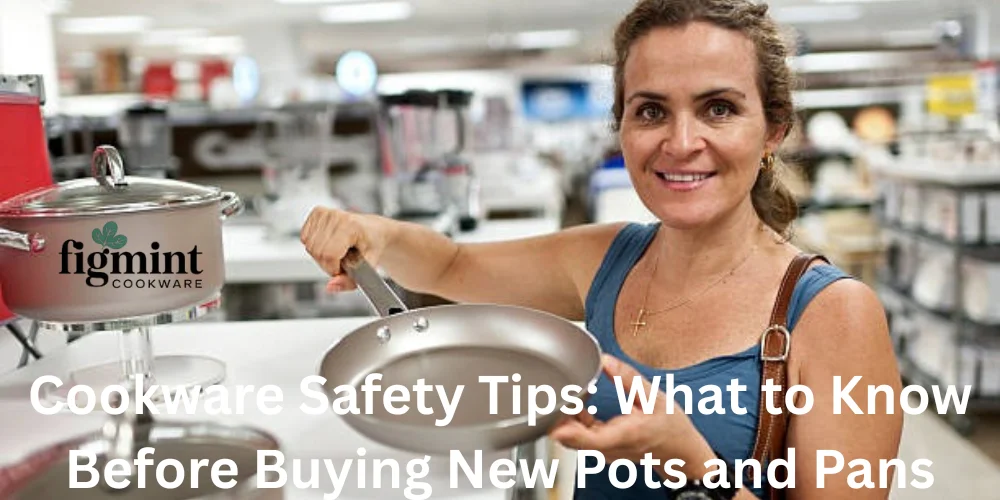
Choosing new pots and pans can feel exciting, but safety should always come first. With so many cookware options on the market, it’s easy to overlook how materials and coatings affect your health and cooking experience. Knowing some basic cookware safety tips can help you make smart decisions and avoid potential hazards. From selecting the right material to maintaining your pans properly, a little awareness goes a long way toward keeping your kitchen safe and your meals healthy.
Cookware Safety Tips: What to Know Before Buying New Pots and Pans
Before you pick your next set of cookware, take a moment to think about what really matters. It’s not just about how good the pans look or how fast they heat up. Safety depends on the materials used, the type of coating applied, and how you plan to use and care for them. Choosing wisely can protect your food from harmful chemicals and make your cookware last longer.
1. Understand Different Cookware Materials
When it comes to cookware safety, knowing what your pots and pans are made of is key.
Stainless Steel:
It’s durable, non-reactive, and safe for cooking most foods. Look for high-quality stainless steel with an aluminum or copper core for even heat distribution.
Nonstick Cookware:
Nonstick pans are convenient, but older or cheap coatings may contain harmful chemicals like PFOA or PFAS. Always choose modern, PFOA-free nonstick cookware and avoid overheating it.
Cast Iron:
Cast iron is naturally nonstick when seasoned properly and doesn’t contain chemicals. It’s a great choice for safe, long-term use but needs regular care to prevent rust.
Ceramic Cookware:
Ceramic-coated pans are a safer alternative to traditional nonstick ones. Just ensure the coating is free from lead and cadmium for safe cooking.
2. Check for Non-Toxic Coatings
Not all nonstick coatings are the same. Some contain compounds that can release toxic fumes when overheated. Always look for cookware labeled PFOA-free, PFAS-free, or toxin-free. This ensures that your pans are made with safer materials designed to withstand normal cooking temperatures without breaking down or releasing harmful substances.
3. Avoid Overheating Your Cookware
Even the safest cookware can become dangerous if exposed to excessive heat. Overheating nonstick pans can cause coatings to degrade, releasing fumes that may affect your health. Keep your heat setting moderate, and never leave empty cookware on a hot burner. Proper temperature control extends your pan’s life and keeps your kitchen safe.
4. Use the Right Utensils
Metal utensils can scratch or damage nonstick and ceramic coatings. Use wooden, silicone, or nylon tools instead to maintain the cookware surface and prevent flaking or chipping. Scratched coatings not only look bad but can also contaminate your food over time.
5. Maintain and Clean Cookware Properly
Safe cookware also depends on how you take care of it. Always follow the manufacturer’s instructions for cleaning and storage. Avoid harsh scouring pads and strong detergents that can damage coatings or strip seasoning from cast iron. Hand washing is often safer and helps your cookware last longer.
6. Replace Worn-Out Cookware
No cookware lasts forever. If your nonstick pan starts peeling, or your stainless steel pot has deep scratches, it’s time to replace it. Using damaged cookware can lead to contamination or poor cooking performance. Regularly inspect your pots and pans for signs of wear and tear to stay safe in the kitchen.
FAQs
What is the safest type of cookware to use?
Stainless steel, cast iron, and ceramic cookware are generally considered the safest choices. They don’t release toxins and are durable for long-term use.
Is nonstick cookware safe?
Yes, as long as it’s PFOA-free and you avoid overheating it. Use it on medium heat and avoid using metal utensils to keep the coating intact.
Can I use metal utensils on nonstick pans?
No, metal utensils can scratch the surface and cause the coating to peel. Always use silicone or wooden tools instead.
How do I know if my cookware is toxic?
Check the label for terms like “PFOA-free,” “PFAS-free,” and “lead-free.” Avoid cookware with damaged or peeling coatings.
How often should I replace my cookware?
On average, nonstick pans should be replaced every 3 to 5 years, while stainless steel and cast iron can last decades with proper care.
Conclusion
Following these cookware safety tips can help you make better choices when buying new pots and pans. Focus on high-quality, non-toxic materials like stainless steel, cast iron, or ceramic. Avoid overheating, use proper utensils, and clean your cookware gently to extend its lifespan. By staying mindful about what you cook with, you’ll protect both your health and your kitchen investment.